How do you communicate
when you can’t rely on sound?
The Problem
This project started from a question I came across on Reddit:
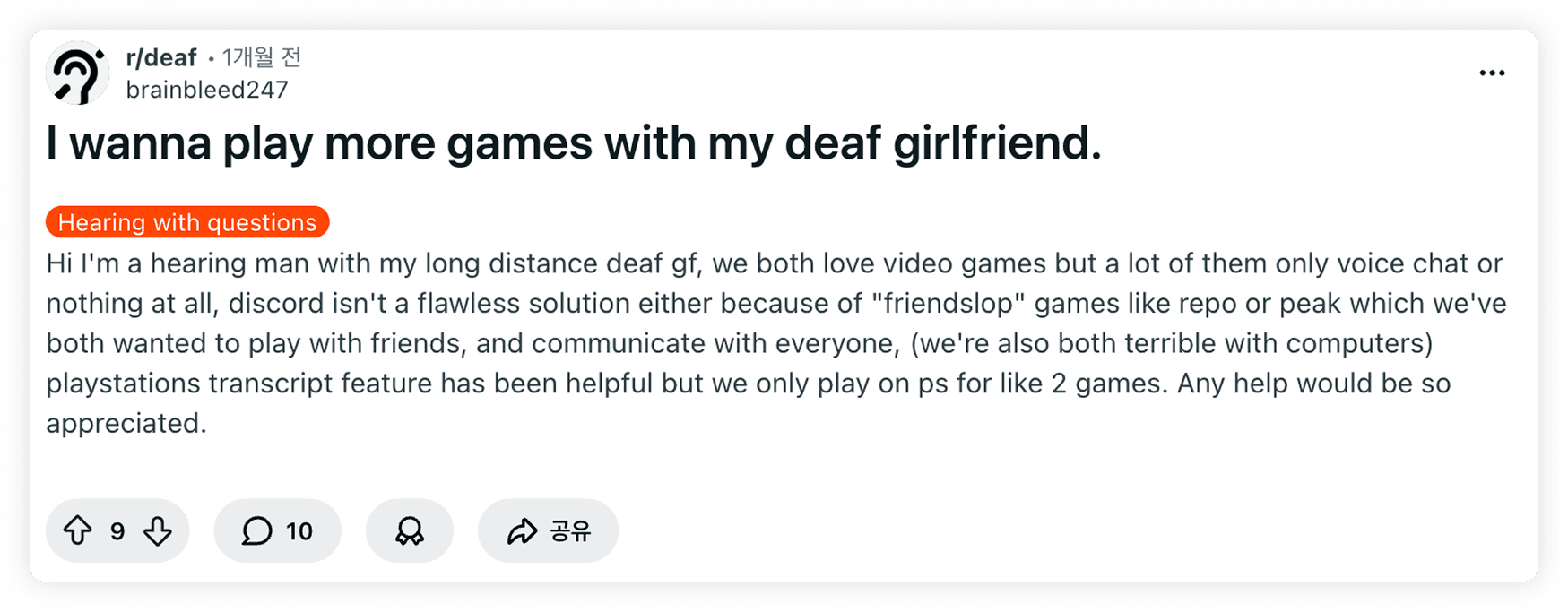
This revealed a broader issue:
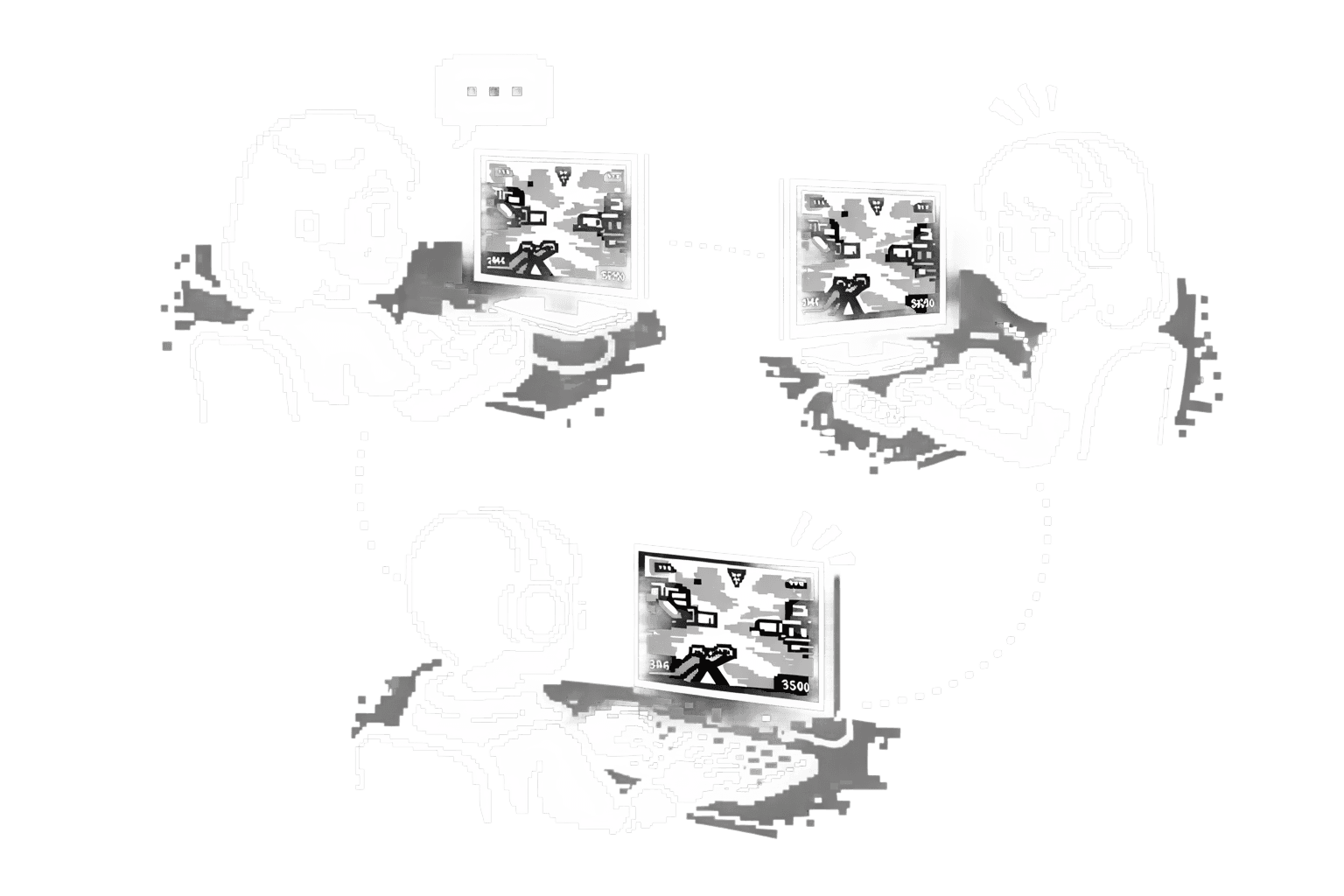
Multiplayer games rely heavily on voice communication,
limiting participation for Deaf and hard-of-hearing players.
Interview
To understand this gap, I spoke with Deaf and hard-of-hearing players.
Insights
Communication isn’t just what is said—it’s how it’s said.
Urgency
Timing
Intent
Feature 1
I started with captions.
An Emotion-Augmented Caption System that makes tone, urgency, and nuance visible at a glance.
user testing
One of the biggest design shifts emerged from User testing with deaf players.
AI emotion labels don’t hold up in gameplay.
From
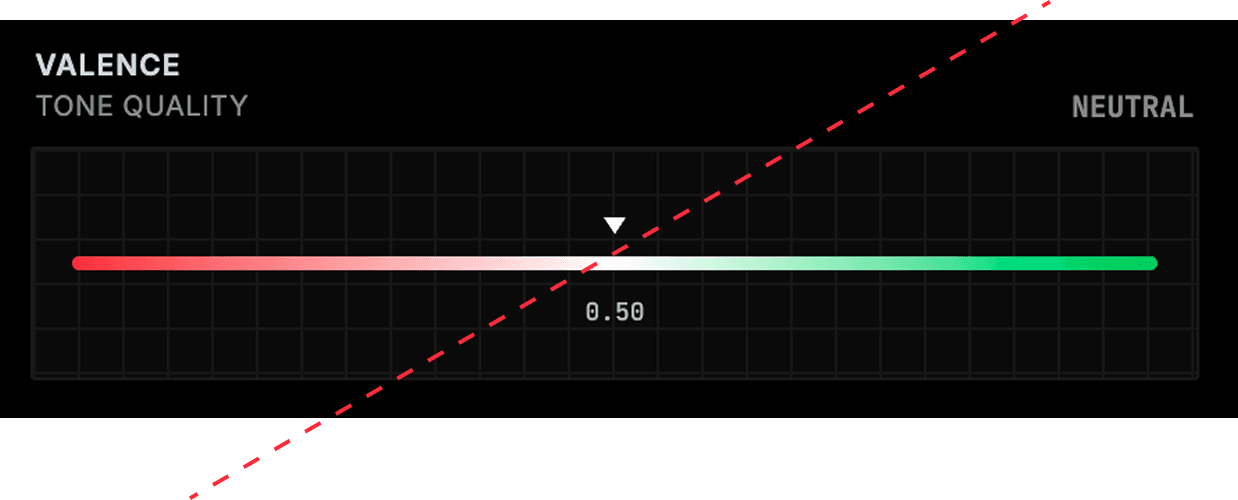
to
2
Speaker identification should be instant.
from
That was smart, nice job
color-coding
avatar/icon
That was smart, nice job

to
3
One system doesn’t fit all players.
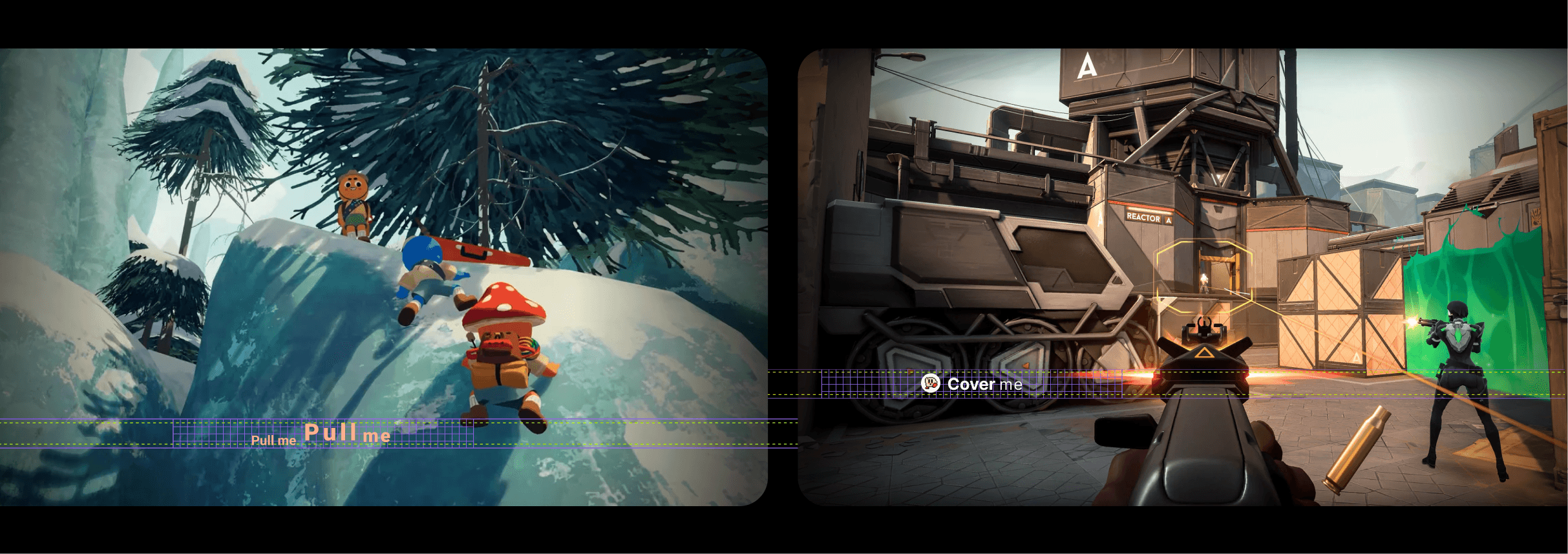
Different play styles, different needs
So I introduced a customizable system.
Players can adjust caption intensity, speaker indicators, and placement based on their own needs and play style.
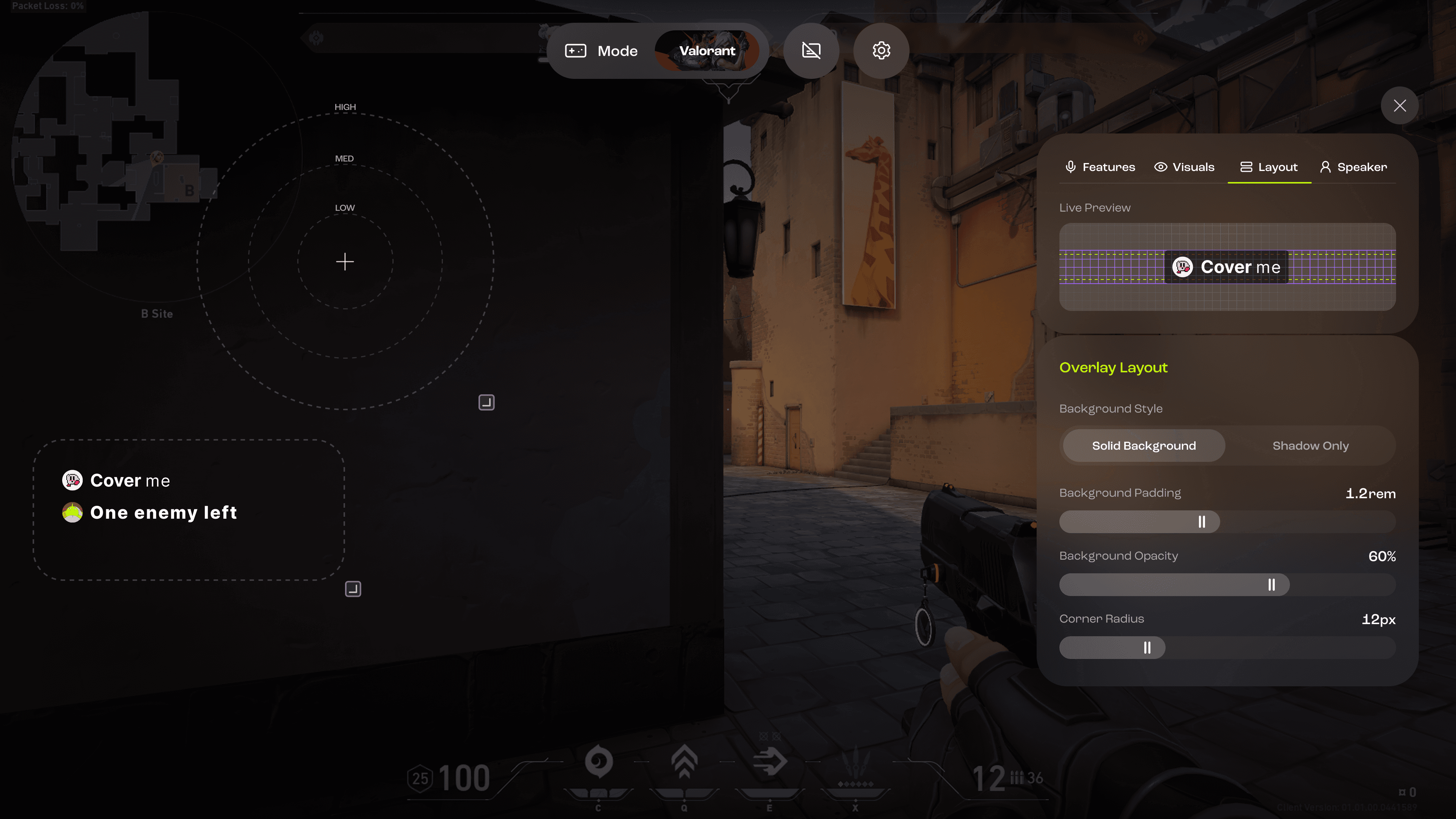
Overlay interface that can be adjusted in real time without leaving gameplay.
Feature 2
While communication became perceivable, responding remained limited.
In fast-paced gameplay, players need to react just as quickly as they receive information.
But existing systems rely on simple pings, which are limited in what they can express.
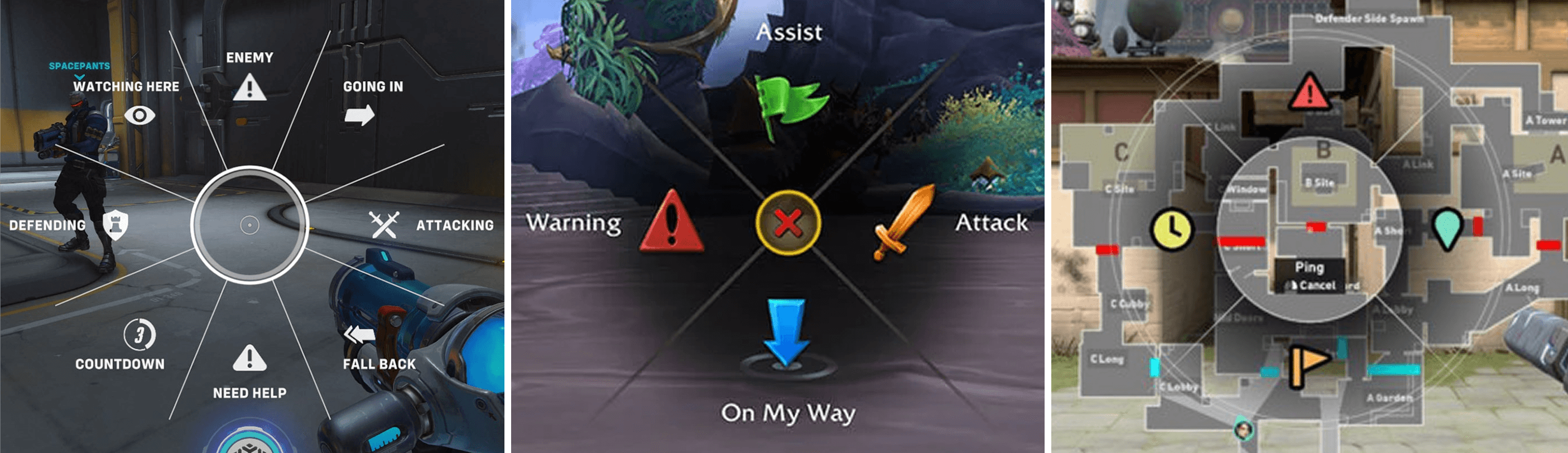
[Drag UI]
Instant selection
[Distance UI]
Precise intensity
[Chaining UI]
Rapid combinations
[Highlight UI]
Clear visibility
iteration
Improving Interaction Visibility
From
Blends into gameplay
To
Separated from gameplay
Clarifying Signals & Intensity
From
No clear state indication
Hard to perceive intensity
To
Clear active state feedback
Intensity becomes visible and controllable
Final Prototype
Clearer communication in real time.
Powered by gesture-based selection and combined signals in one motion.
Less noise
Better visual tracking
Stronger contrast
User-defined signals
Fast, expressive communication in gameplay
System Summary
Together, they form the Social Communication Accessibility Framework.
A multi-modal communication system that translates voice into signals that can be seen, felt, and expressed.
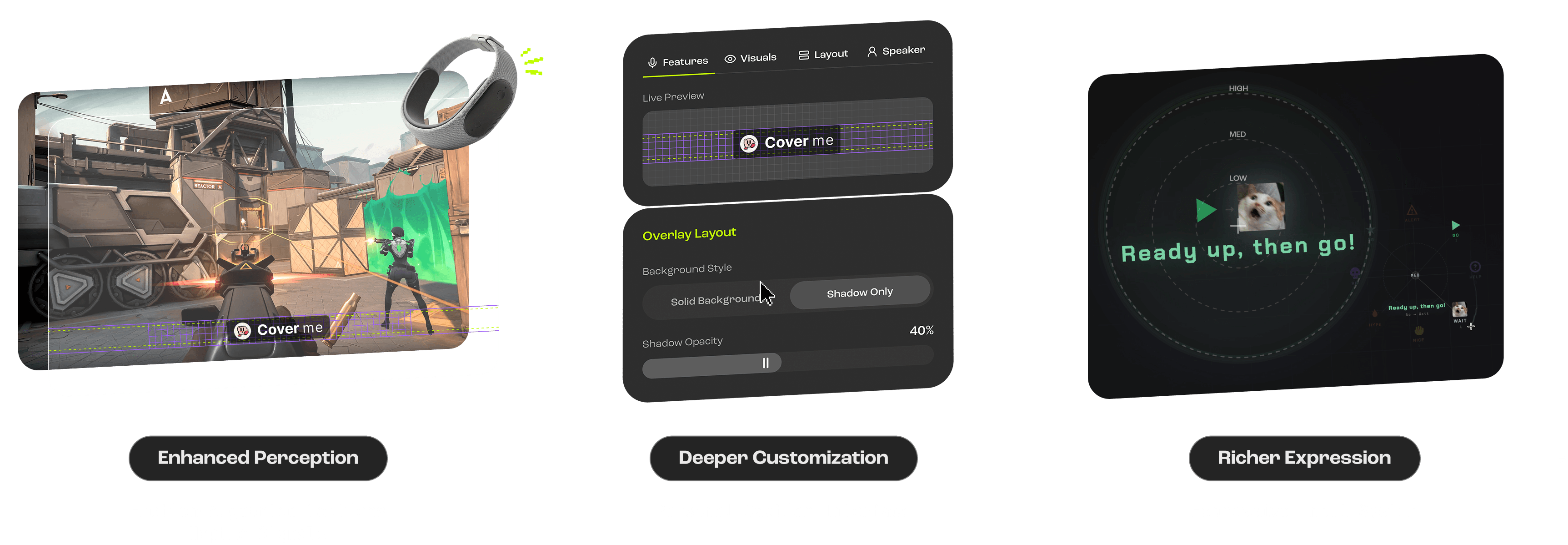
impact
User testing showed clear improvements in how players perceived and responded to communication.
Designing for real-time interaction required not just adding more signals,
but deciding what actually matters in the moment.
Design Decision
Through testing, I learned that clarity is more important than complexity,
and that users need control over how they receive and express information.
User Centered